Arctic Ecohydrology & Remote Sensing

Micah Eckert

Environmental Data Science

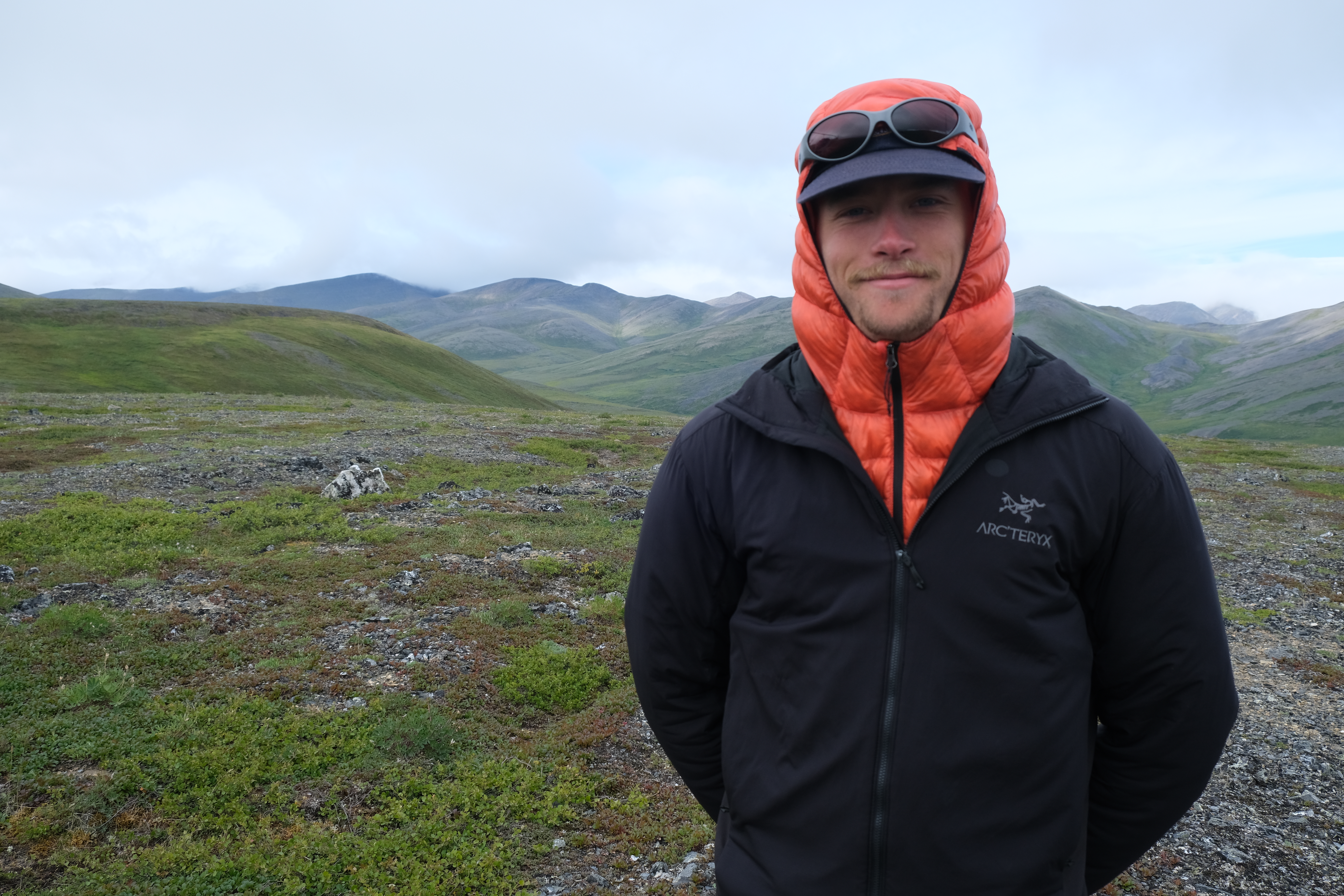
Micah Eckert in the Arctic tundra, Yukon

Arctic science and media

I am an early career ecohydrologist and remote sensing scientist interested in the drivers of physical and ecological change in the Arctic.

Currently, I am a MSc candidate at UBC with Team Shrub (Dr. Isla Myers-Smith). My thesis captures the local drivers of coastal flooding and erosion on Qikiqtaruk (Herschel Island) using in-situ pressure sensors and 3D drone photogrammetry.

I am an avid photographer and user of drones, interested in capturing changing landscapes, science-in-action, natural areas and cultural history.

I am honoured to be a Weston Family Northern Scientist, a Royal Canadian Geographic Society Scholar, and an awardee of the Canadian Graduate Research Scholarship (MSc).

WELL — Water Ecosystem Land Loss Project

Capturing flood and erosion dynamics using in-situ monitoring on Qikiqtaruk (Herschel Island, Yukon).

Capture the drivers of coastal flooding and erosion

Deploy and maintain in-situ flood sensors to record water level, salinity, and storm dynamics across Qikiqtaruk's coastline.

Inform the management of Qikiqtaruk's coastal values

Translate field data into actionable findings for Yukon Parks and Inuvialuit partners managing the island's cultural and ecological heritage.

Improve flood monitoring in the western Arctic

Build a replicable in-situ monitoring framework for remote Arctic coastlines where continuous satellite observation is limited.

Improve flood forecasting through ECCC collaboration

Support the Coastal Flood Alerting and Prediction program at Environment and Climate Change Canada with high-resolution field observations.

// In collaboration with
Yukon Parks Qikiqtaruk Park Rangers Environment and Climate Change Canada Aullaviat / Anguniarvik Guardians

Publications

// In preparation

Eckert et al. (in prep)

Eckert, M., Murphy, E., Lantuit, H., Borderieux, J., Wagar, J., Patten, J., Gordon, R., Myers-Smith, I.

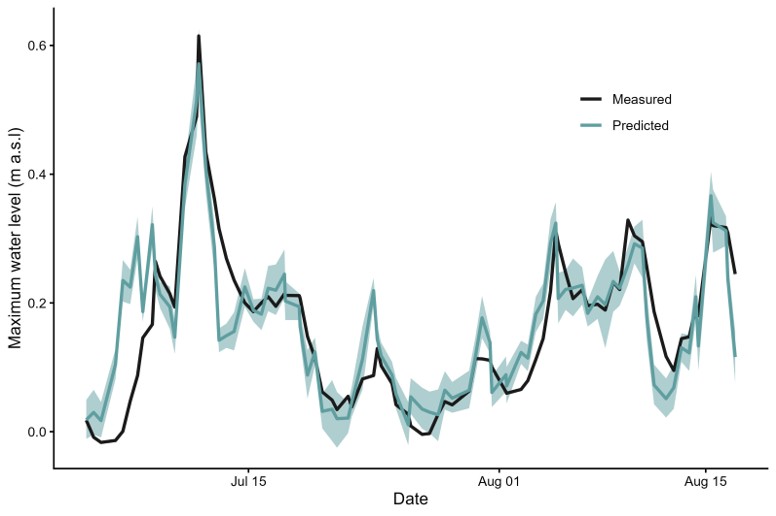
  • Six-well monitoring network at Simpson Point, Qikiqtaruk — water levels across 2024–2025 ice-free seasons
  • Paired with in situ weather, wind, and wave data; Bayesian multivariate models quantified flood drivers
  • 19 flood days in 2024; 23 in 2025 — historically highest recorded water level on 11 July 2025
  • Storm surges were the primary flood driver; easterly winds and waves strongly predicted severity
  • Results inform ECCC's Coastal Flood Alerting and Prediction program and Yukon Parks' monitoring
Key findings figure — Eckert et al. in prep
// Peer-reviewed article

Verkaik et al. (2025)

Journal of Geophysical Research: Biogeosciences

  • Assessed how peatland drainage altered forest cover, aboveground biomass, and tree productivity
  • Black spruce and birch peatland in Parkland County, Alberta — drained 1987, burned 2021
  • Historical imagery and LiDAR revealed forest cover increased 180% following drainage
  • Aboveground tree biomass decreased from 26.1 kg/m²; burn severity spatially linked to drainage history

ArcticNet 2024 Annual Scientific Meeting — Poster // 3rd Place Award
ArcticNet 2024 Poster — Micah Eckert

Press

The Guardian Feb 10, 2025

Canada's Arctic island faces a conservation dilemma: climate, floods, and a heritage at risk

Reporting on coastal flooding, permafrost thaw, and the cultural heritage of Qikiqtaruk (Herschel Island, Yukon) — featuring fieldwork from the Team Shrub research program.

Read article →

The Arctic Through My Lens

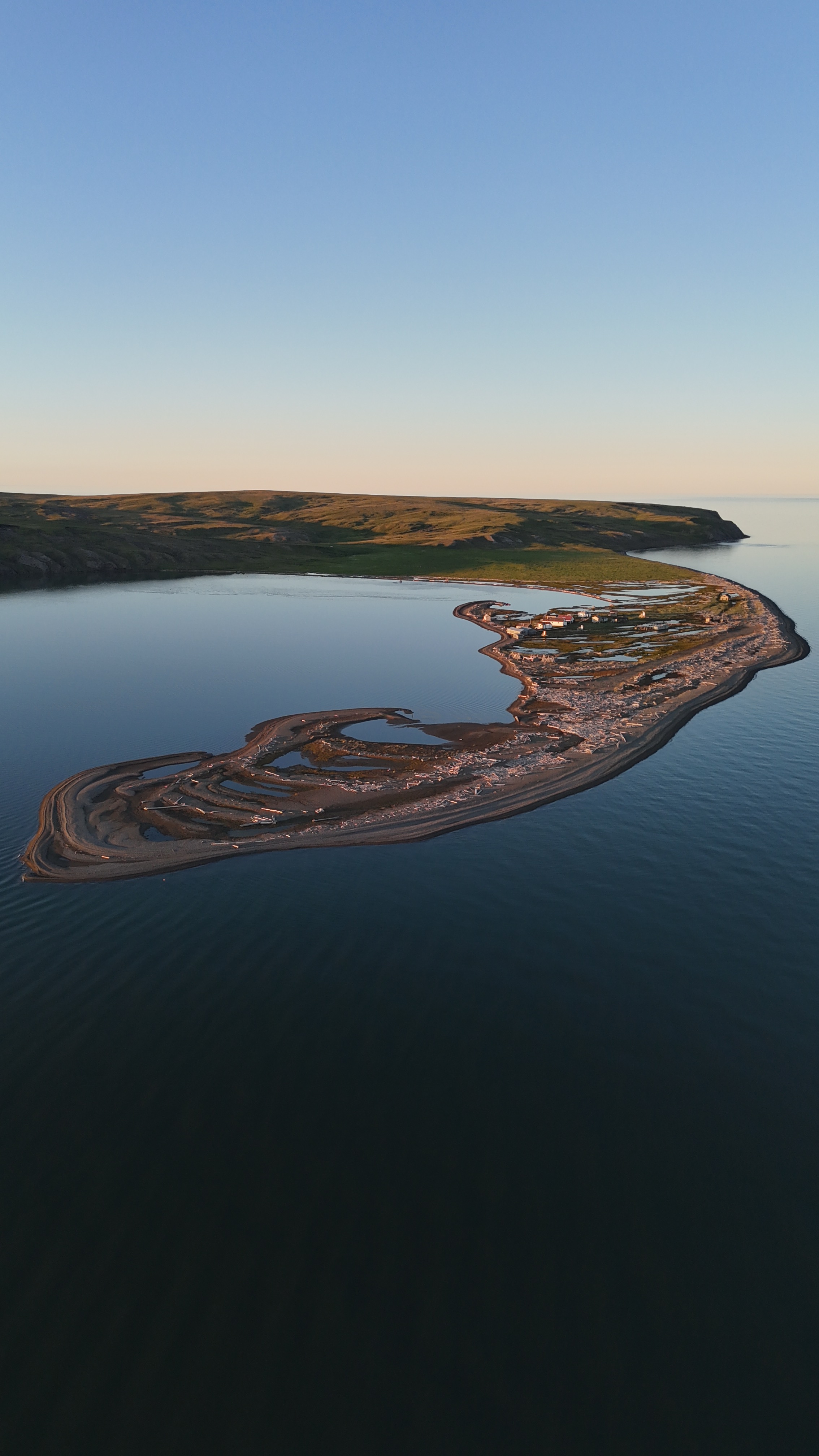
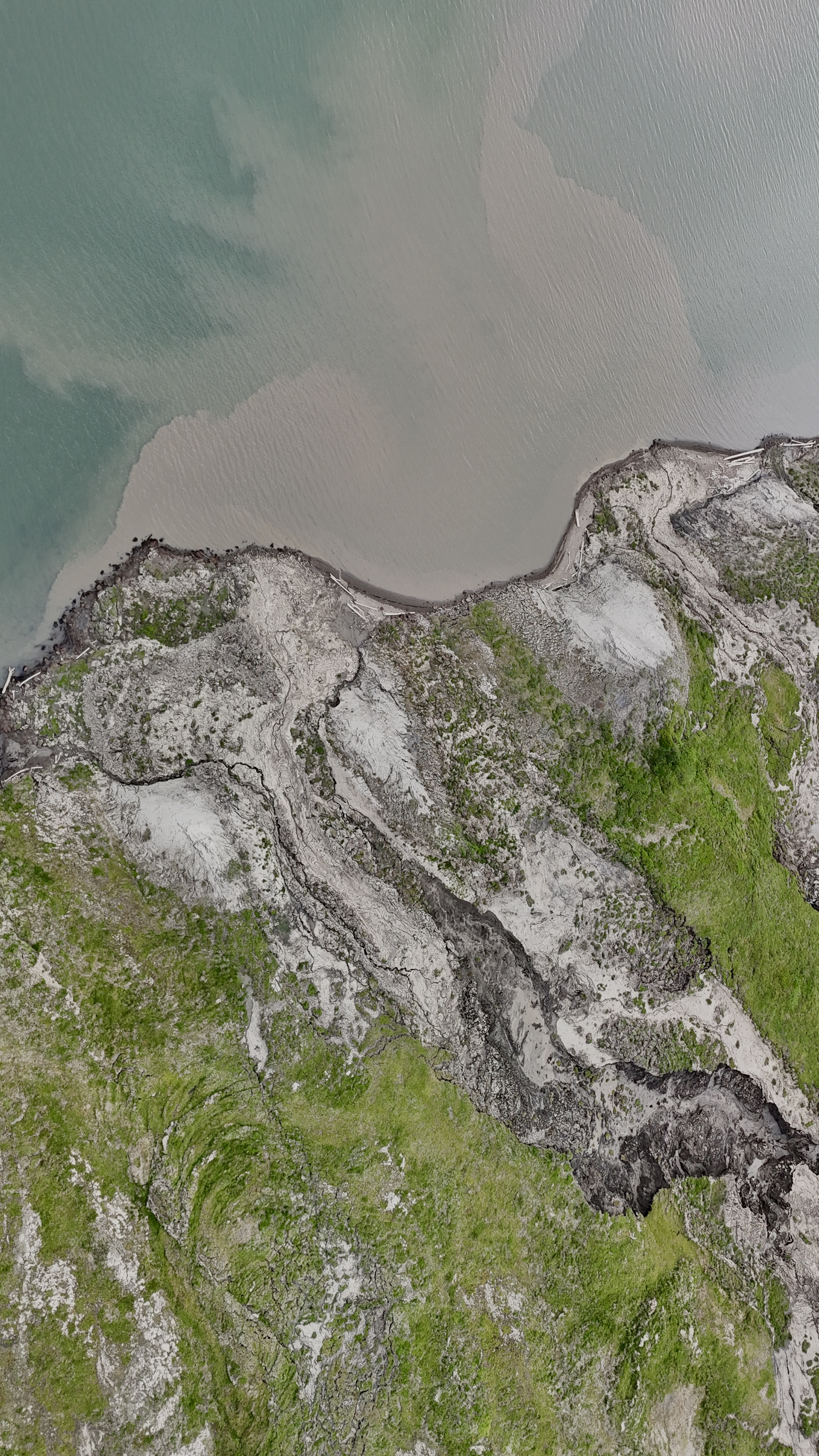
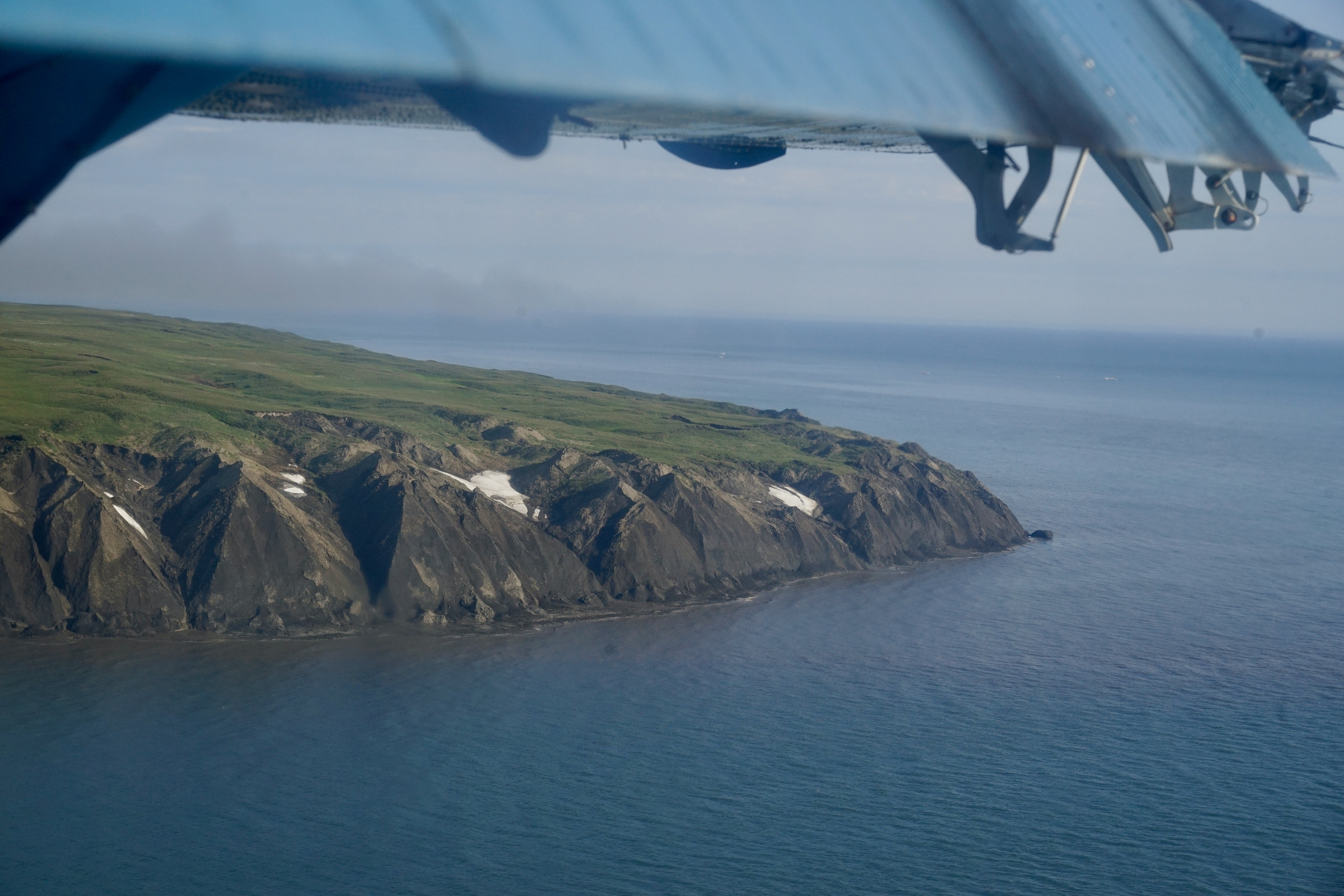
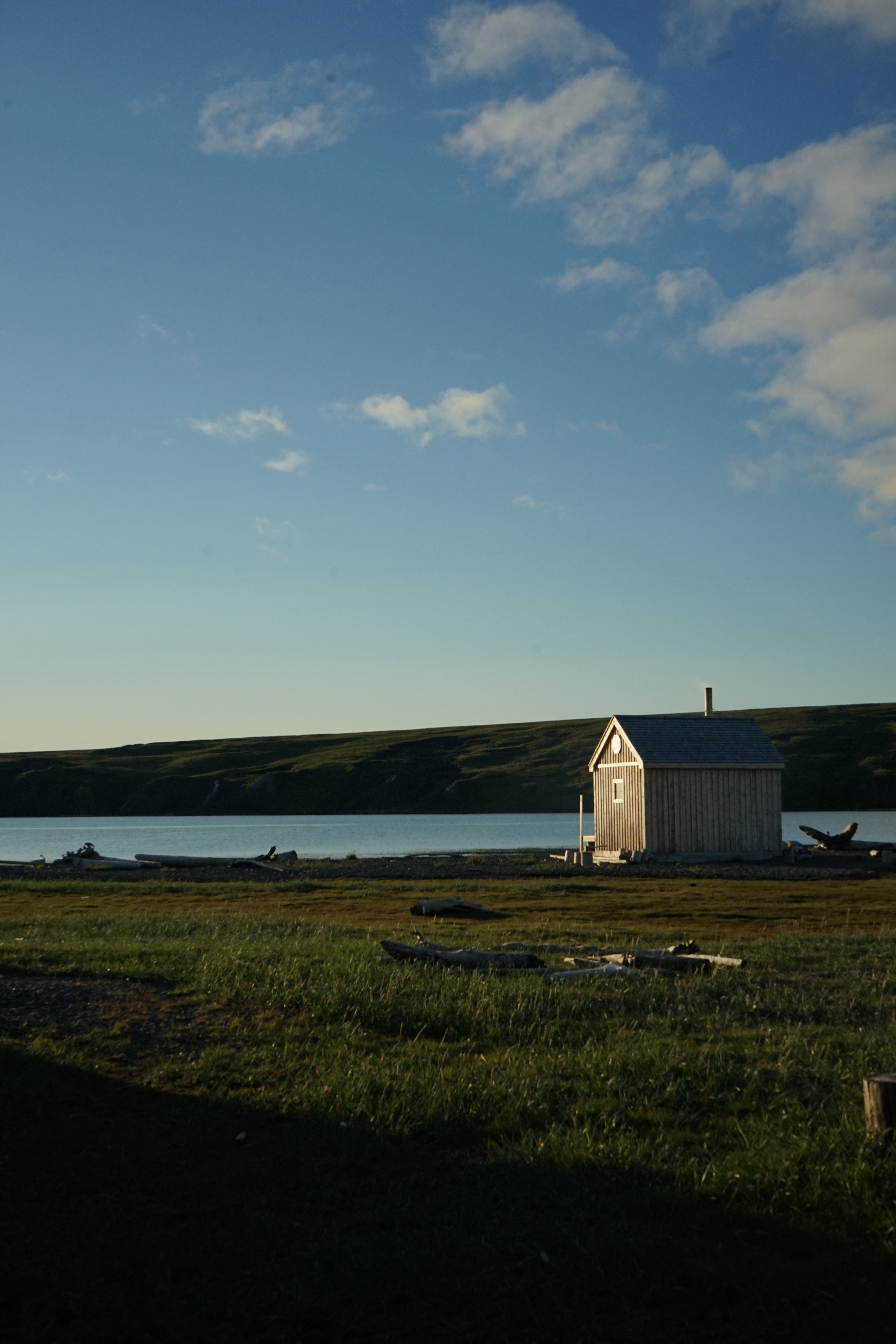
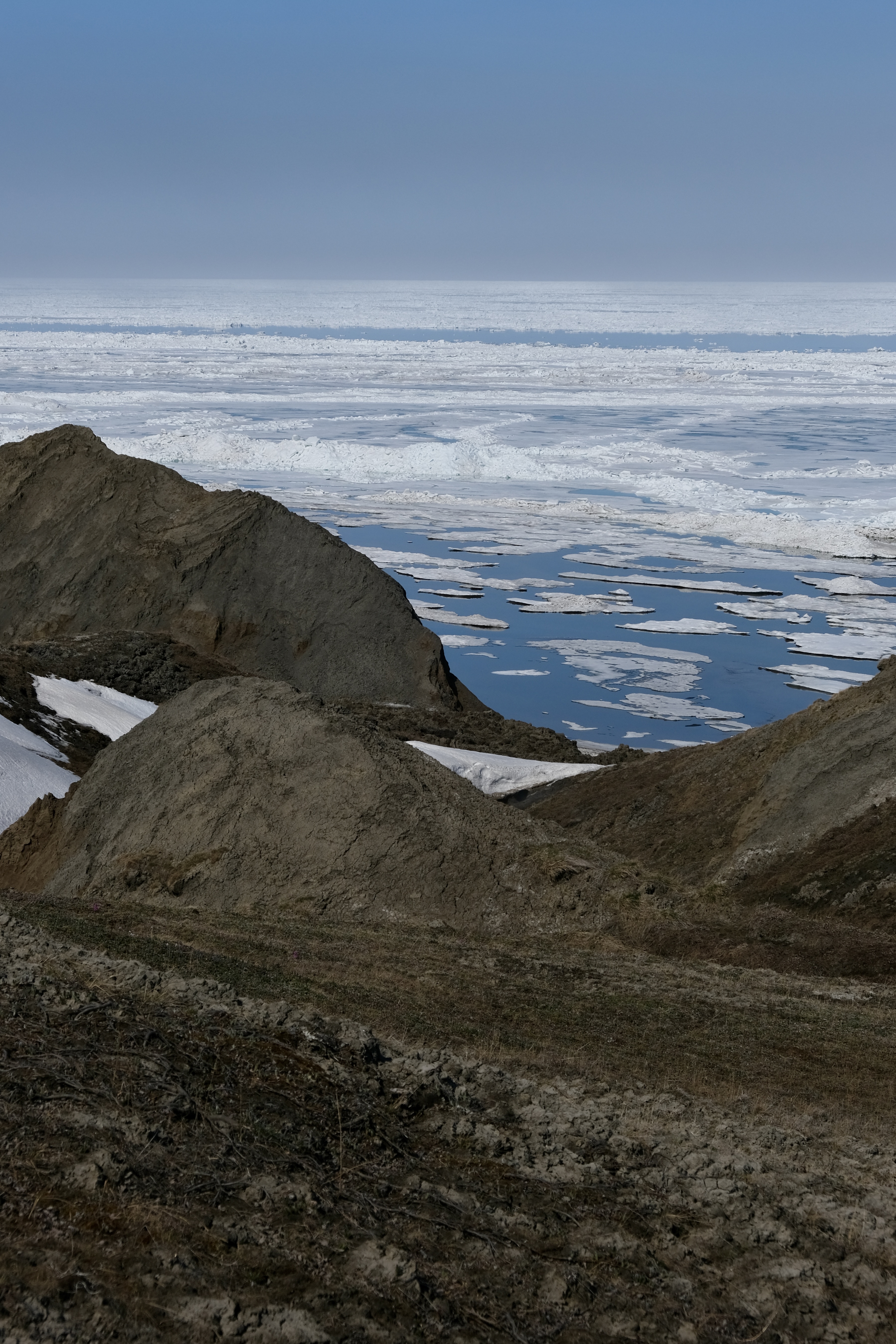
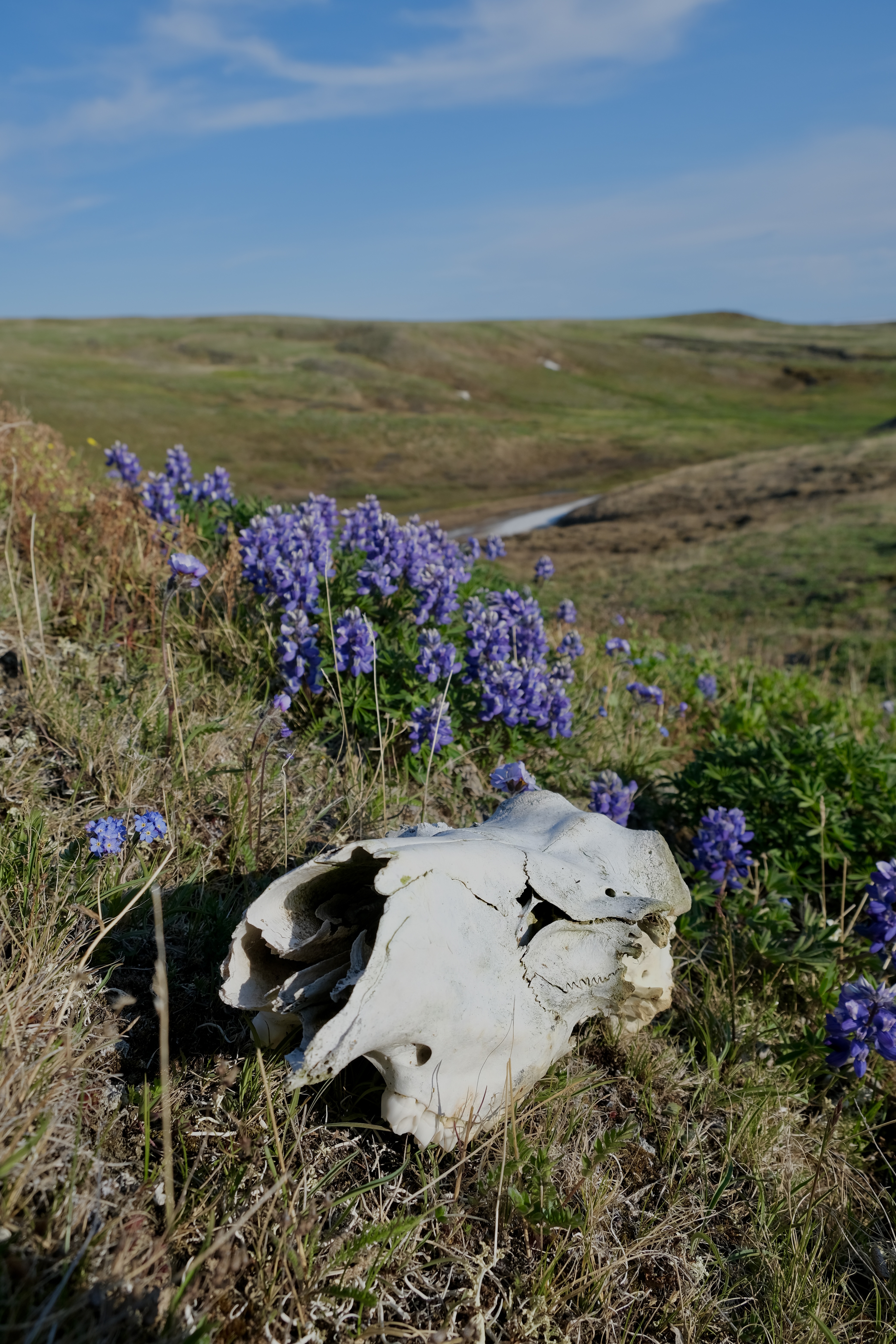
Aerial view of the western Arctic coastline, Qikiqtaruk Drone photograph over the western Arctic tundra Western Arctic landscape, Yukon Arctic fieldwork, western Yukon Tundra and coastline, Qikiqtaruk Western Arctic scenery, Yukon